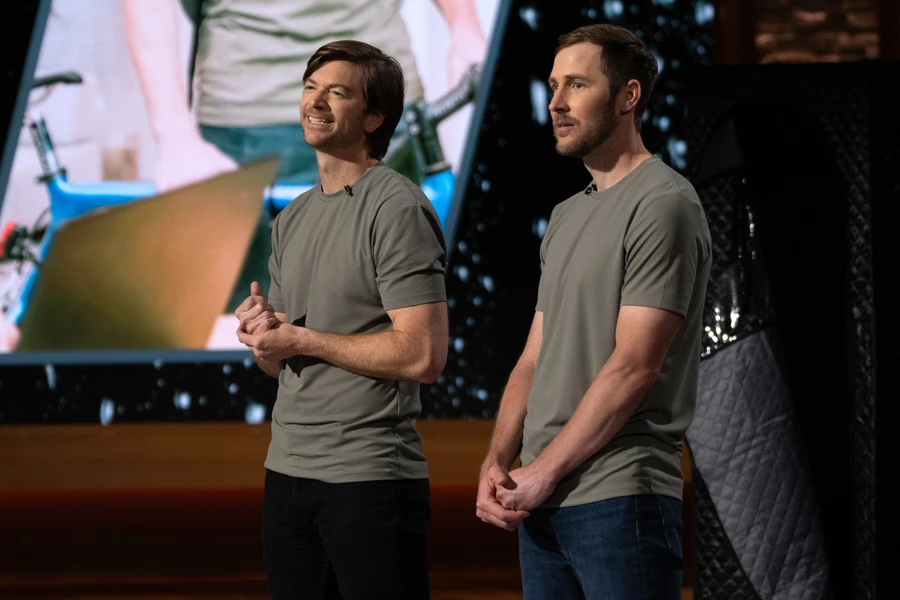
Jim Huffman and Tyler Stelter took over Neat Apparel in late 2023 with plans to turn a little-known clothing brand into a larger online business. Neat made shirts designed to prevent sweat stains from showing through the fabric, but sales were modest. Huffman had spent years helping other businesses grow through online marketing and saw an opportunity to apply that experience to a product of his own.
Neat’s technology had been developed years earlier. The original idea emerged in 2014 from the frustration of having sweat marks appear on everyday clothing. The resulting fabric used a combination of water-repelling and moisture-absorbing areas to spread perspiration across the inside of a shirt while keeping it from reaching the outer surface. The technology grew out of research supported by the National Science Foundation and was initially developed for use by military personnel, firefighters and other first responders.
The first Neat shirts went on sale in 2020, followed by a new line called Sweat Defender in 2023. The brand had developed a product and attracted customers, but it had not built a large business around it. Huffman became interested in acquiring Neat because the shirts addressed a problem he understood and had technology that would be difficult for competitors to copy. Before buying the business, his team spoke with existing customers to learn about their experience with the product.
Huffman grew up in Oklahoma and graduated from the University of Kansas with a finance degree in 2006. He began his career in investment banking before moving into marketing. He later founded GrowthHit, an agency that worked with online retailers and other businesses on advertising, website sales and customer retention. After years of advising clients, he wanted to own a consumer brand where he could put those methods to work himself.
Huffman acquired Neat in late 2023 and began rebuilding the business with Stelter, who became its chief operating officer. The team refreshed the website, arranged a new photo shoot and relaunched the brand in early 2024. Rather than focus its advertising on the technical details of the fabric, Neat began showing how the shirts could help conceal sweat during ordinary situations such as meetings, dates and social events.
The relaunch brought more orders, but demand soon exceeded the available inventory. Neat sold out during the summer of 2024, the season when customers were most likely to need its shirts. The team introduced preorders, changed fulfillment partners and improved its inventory planning. Despite the disruption, the business finished the year with sales more than doubling.
Huffman and Stelter also changed how the shirts were sold. Instead of emphasizing individual purchases, they began offering bundles that encouraged customers to buy several shirts at once. Larger orders helped cover advertising costs and made it easier to acquire customers profitably. The team also revised its online store and email marketing to increase sales from visitors who had already shown interest.
Social media became an important source of new customers. One demonstration showed Huffman popping a water balloon inside a Neat shirt to illustrate how the fabric kept moisture from showing on the outside. The video helped the business reach people who might not have understood the product from photographs alone.
The changes produced substantial growth. When Huffman acquired Neat, it was generating roughly $9,000 in monthly revenue. By 2026, monthly sales had climbed to approximately $170,000. The business had passed $1 million in annual sales, with much of its growth coming through its own website and social media advertising.
Neat also expanded its product development. In 2026, the business introduced a new version of its Sweat Defender shirt with softer fabric and additional color options. Huffman and Stelter began working on other clothing that could use the same sweat-hiding technology, with plans to expand beyond the original T-shirt line.