Joshua Lippiner had his first nosebleed at age five. Then another. Then another. By the time he hit high school, it was a routine: nosebleed, wad of tissue, lean forward, wait. Sometimes it worked. Sometimes he needed a second shirt.
He wasn’t alone. Millions of people deal with spontaneous nosebleeds every year—dry air, allergies, a bump to the face, no real warning. Most reach for whatever’s handy: tissues, cotton balls, paper towels. None of them are designed for the job.
Decades later, Lippiner still had nosebleeds. He also had a background in building companies and a track record of turning everyday frustrations into business ideas. He’d built and sold tech platforms, run a travel site, even pitched healthcare software. But the nosebleeds kept happening, and the solutions never improved. The idea came back to him: make something that actually worked. That idea became Nampons.
A Fix for a Common Problem
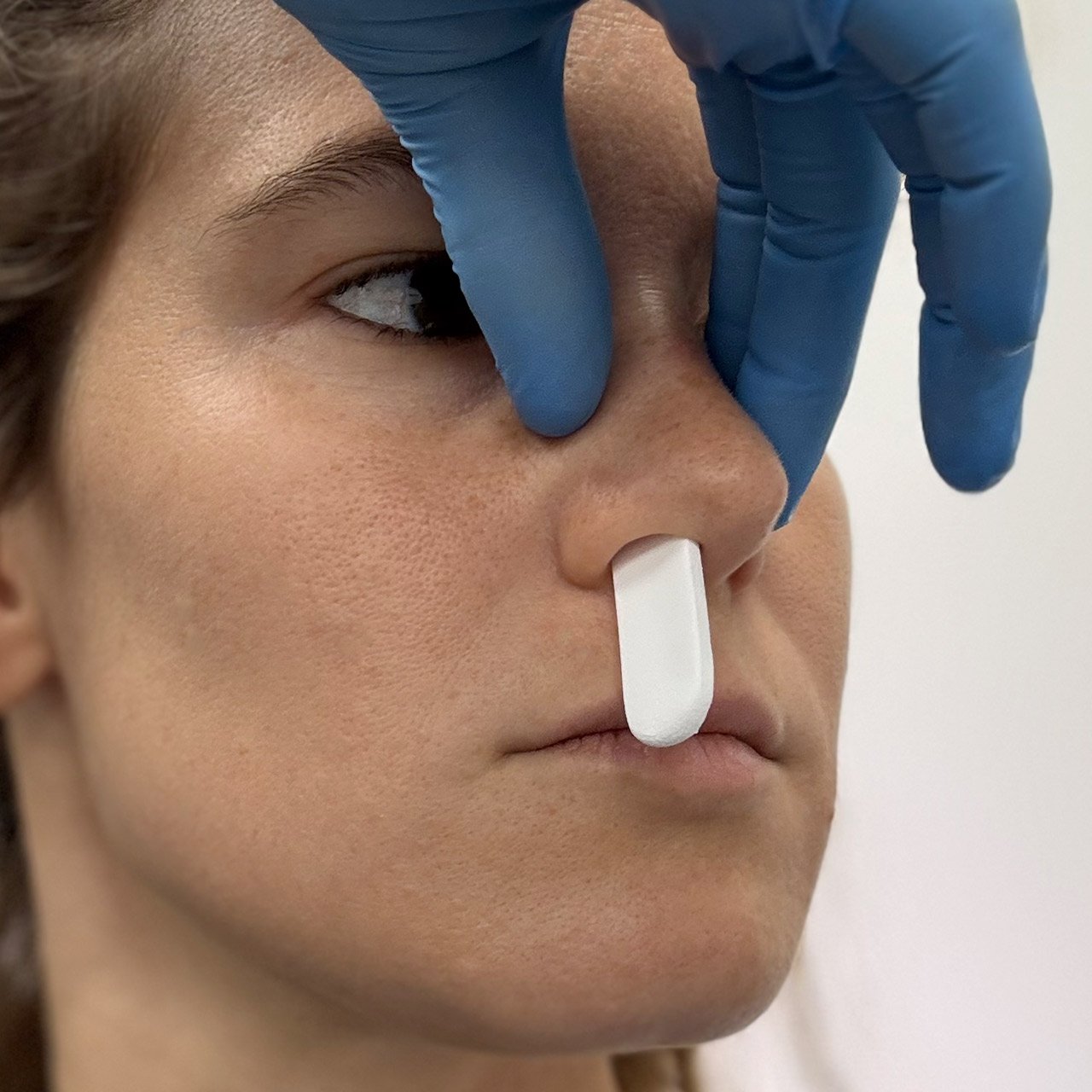
Nampons look like what you’d expect: small, soft, individually wrapped plugs that slide into the nostril. But inside the material is oxidized cellulose—the same stuff used in hospitals and ambulances to help stop bleeding. It’s been used in surgical settings for decades. When it comes into contact with moisture, it expands slightly and accelerates clotting.
Lippiner didn’t invent the material. He just figured out how to put it in a form people could actually use. No sterile gloves, no medical training. Just tear open the packet, insert, wait a few minutes, and the bleeding stops.
Unlike tissues, Nampons don’t stick. They don’t rip or leave paper shreds behind. And they don’t make a mess on the way out. There’s no head tilting, no awkward pinching. Just pressure in the right place, where it counts.
Starting From Home
He launched the company out of his home in Charlotte, North Carolina. The name came from a joke—“like a tampon, but for your nose”—and stuck. The first batches sold through the company’s website and on Amazon. Customers found it because they were tired of stuffing cotton in their noses and wanted something better. Parents bought them for their kids. Coaches started keeping them in gym bags.
Within a year, Nampons had racked up hundreds of five-star reviews. People didn’t gush—they just said it worked. Nurses started ordering them for schools. Doctors tossed them in clinic first-aid kits. Lippiner paid attention to the patterns: dry seasons, sports injuries, allergy months. There was more demand than he’d guessed.
Building the Business
The product never tried to be flashy. No colors, no gimmicks, no scent. Just a sterile plug that stops bleeding in a few minutes. But Lippiner saw the value in doing one thing well. He added a kids’ version—a smaller size for younger noses—and kept refining the packaging to fit inside medicine cabinets and glove boxes.
In 2025, Nampons landed on the shelf at Walmart. Same plug, same packaging, now easier to find. Lippiner didn’t post photos of ribbon cuttings or sales charts. He just pointed out that it took him thirty years and one long nosebleed to make it happen.
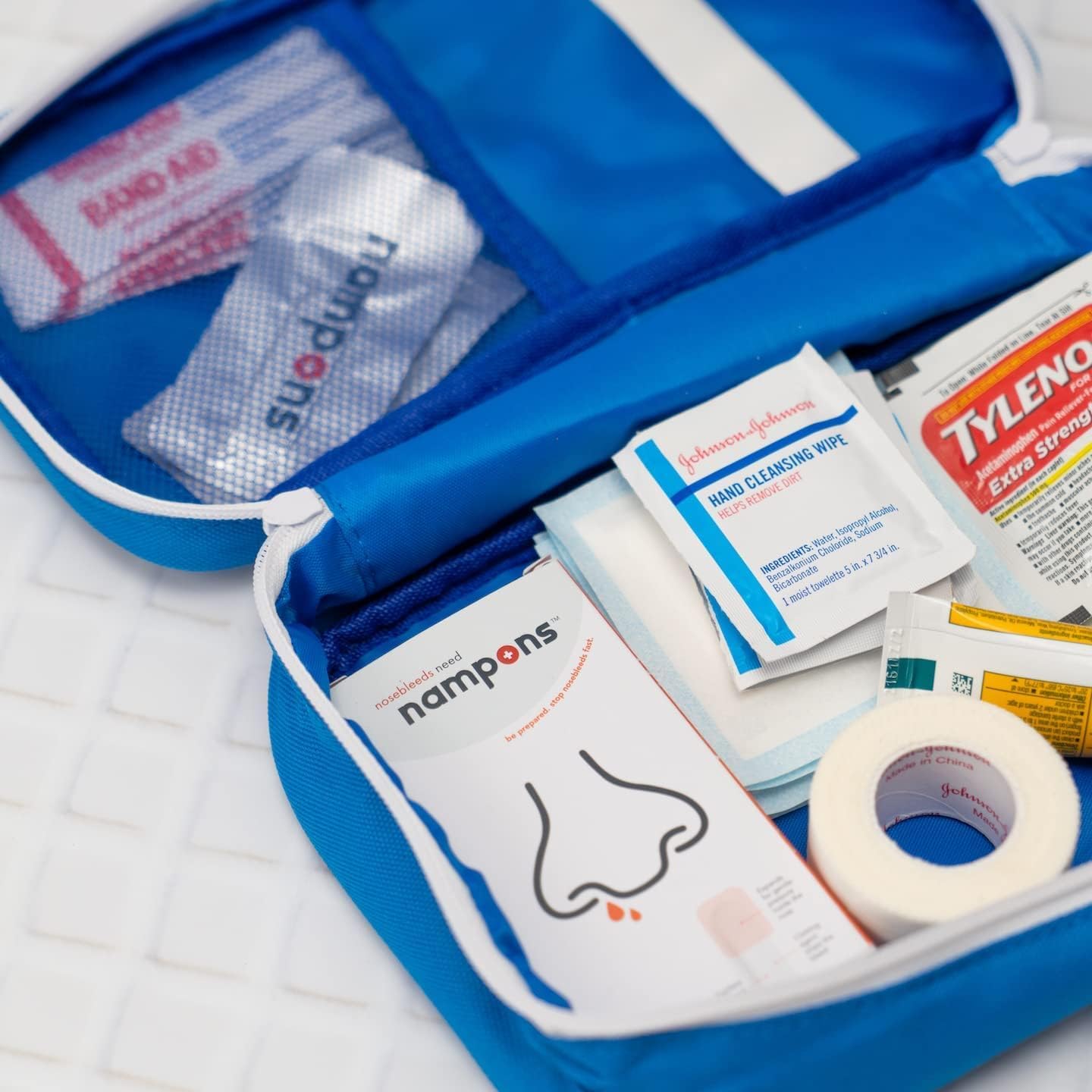
Today, Nampons are used in schools, senior centers, doctor’s offices, and homes. People keep them in first-aid kits next to band-aids. Not because they’re high-tech, but because they’re easier than balled-up toilet paper.
Lippiner still lives in Charlotte. Still runs the company. Still gets the occasional nosebleed. Only now, he’s got something better to reach for.
