
Zalt began with a product that did not yet exist. Sam Mitchell was looking through social media posts about electrolytes when he saw a comment suggesting someone make a Zyn-style pouch filled with electrolytes instead of nicotine. The comment had drawn thousands of likes. Mitchell began wondering why no one had done it.
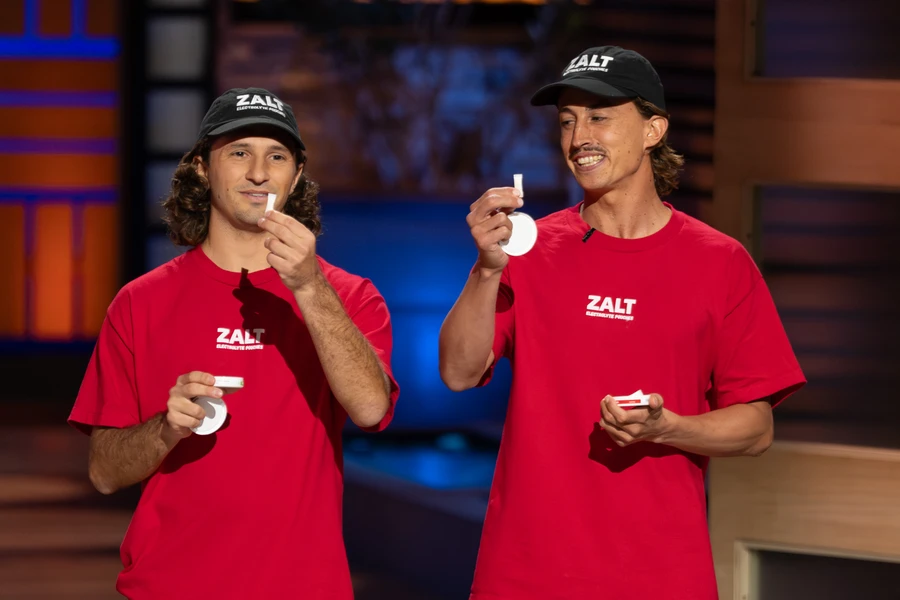
Before trying to manufacture anything, Mitchell tested the idea online. He posted several TikTok videos holding a Zyn can and describing an electrolyte pouch as if it were a real product. The videos drew about 70,000 views. Mitchell and his longtime friend Dominic Gozza took the response as enough reason to find out whether they could actually make one.
Mitchell already had experience starting a consumer brand. He studied construction management at the University of Florida and competed in surfing before co-founding roo.bru, a coffee alternative that launched in 2021. Gozza studied at the University of North Florida and worked in technology and e-commerce. Both were active in sports and had used electrolyte drinks and powders themselves.
The idea was to take the familiar format of an oral pouch and use it to deliver electrolytes without nicotine or caffeine. Mitchell and Gozza began working on a formula and consulted sports nutrition experts as they developed the product. They eventually settled on a blend of electrolytes and B vitamins designed to be absorbed while the pouch sits between the lip and gum.
Zalt launched on Jan. 12, 2026. Social media remained central to the early business. Product demonstrations, short videos and comedy posts generated more than 2 million organic views during the first weeks after launch. The founders also found that the product was reaching beyond people accustomed to nicotine pouches. In a customer survey, about 30 percent said they had never used any type of pouch before.
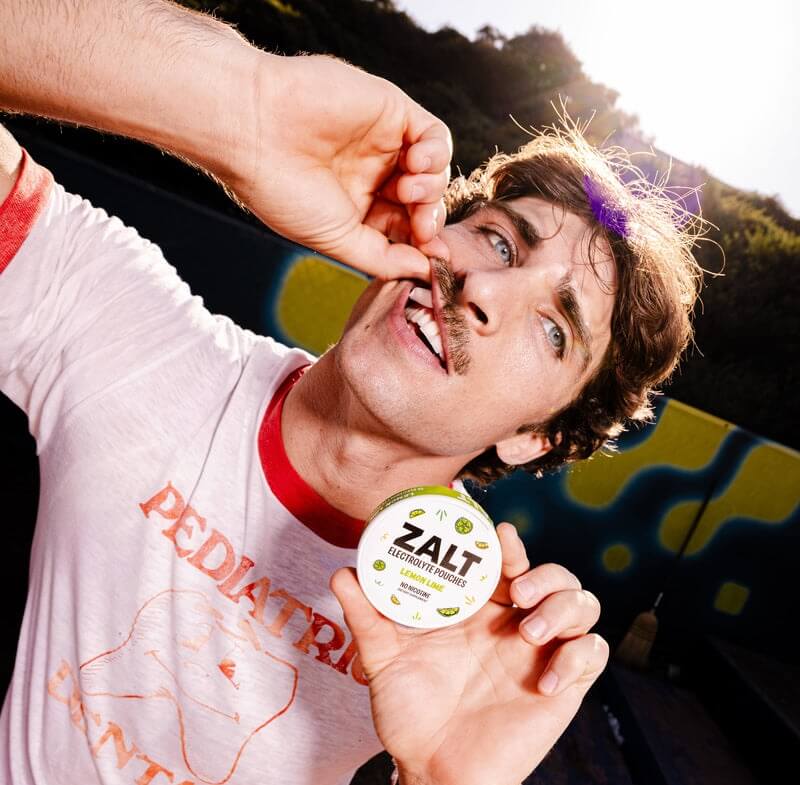
Sales followed the early online attention. Within a few months, Mitchell said Zalt had shipped thousands of orders and generated more than six figures in revenue. By the middle of 2026, he said sales had reached a seven-figure annual run rate.
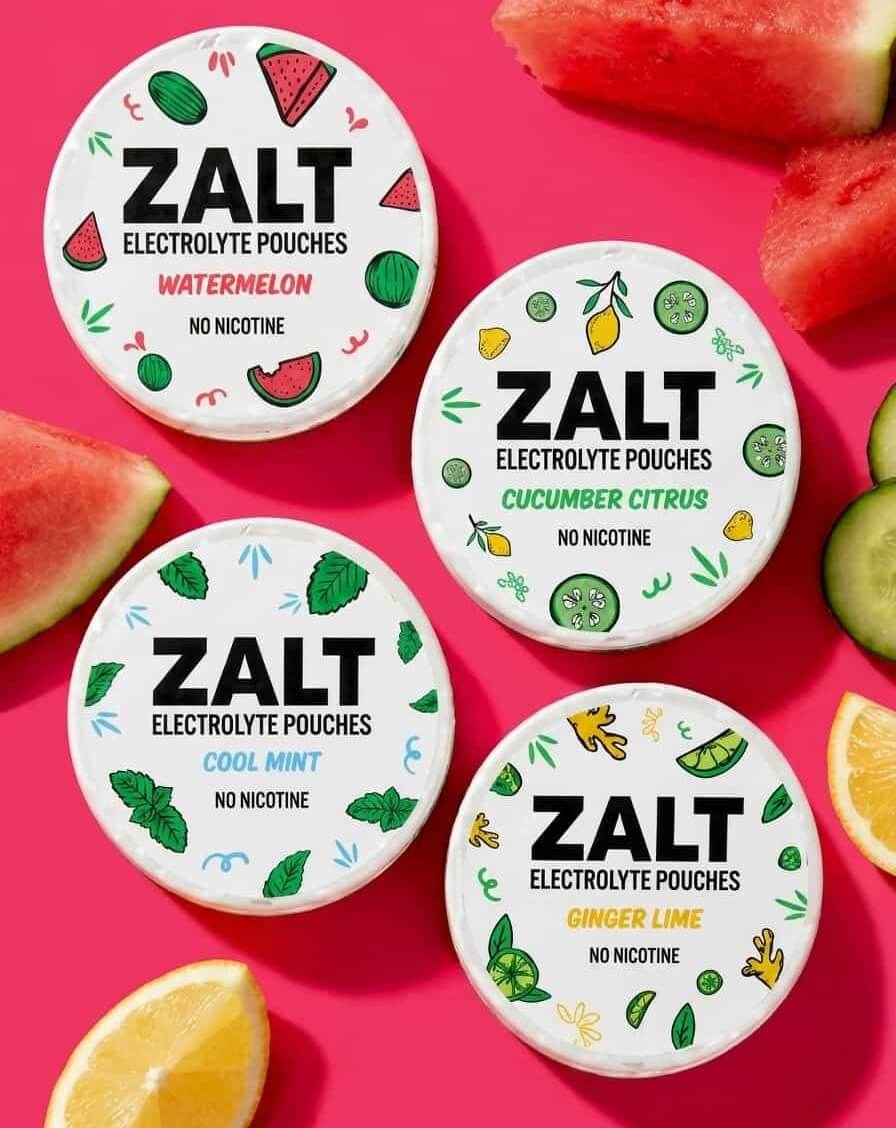
The first customers also helped shape the product. Feedback from several thousand buyers led Mitchell and Gozza to rework the formula during the summer. The second version increased the electrolyte content and changed the flavor lineup. The founders also began positioning Zalt more broadly toward runners, surfers, cyclists, golfers and other active customers rather than mainly toward people already familiar with oral pouches.
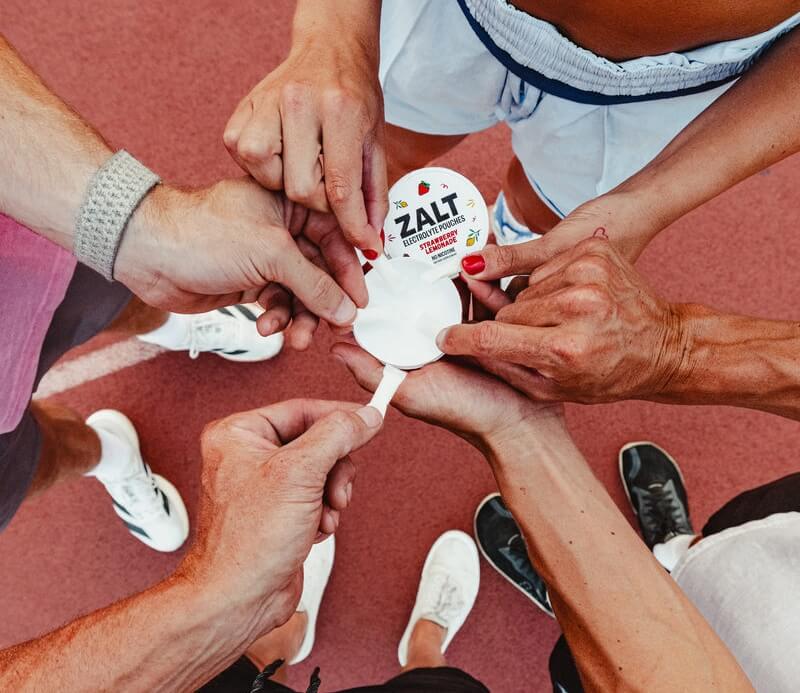
That shift gave Zalt a larger potential market than the nicotine-pouch comparison that had inspired the original idea. Instead of competing only for people looking for a nicotine-free pouch, Mitchell and Gozza were trying to make the format an alternative to electrolyte powders, tablets and prepared drinks.
Production struggled at times to keep up with orders. An August manufacturing batch sold out while Zalt took reservations for later production. The founders also opened a pre-seed investment round to help fund product development and expansion.
By the fall of 2026, Zalt said it had served more than 10,000 customers. Mitchell and Gozza were also moving beyond direct online sales by building a wholesale business for convenience stores, gyms, supplement shops and other retailers through the Airgoods wholesale platform.