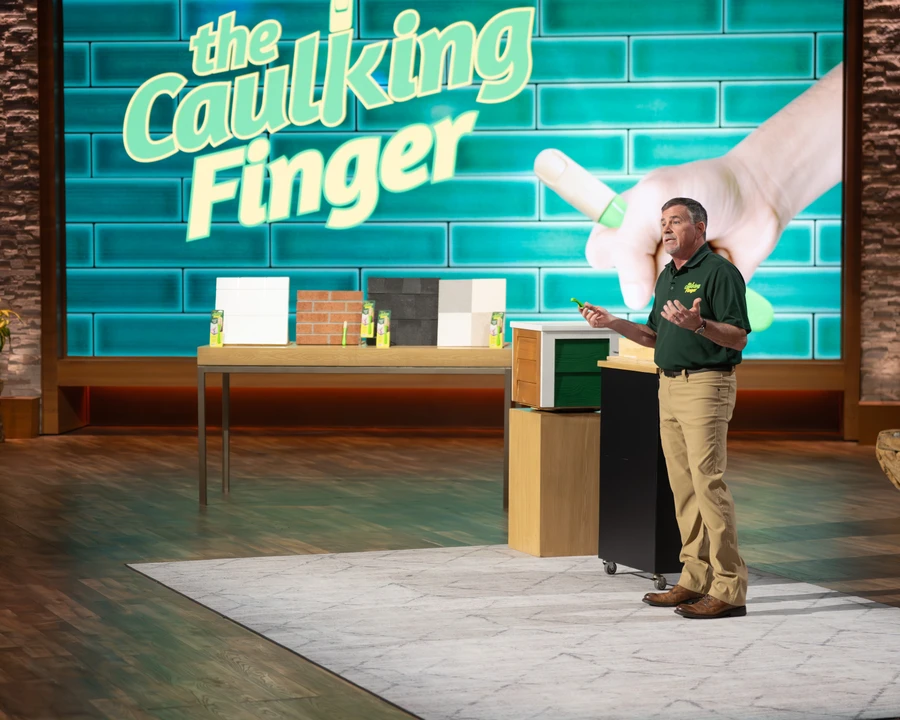
Daniel Stephenson created The Caulking Finger after years of smoothing caulk left his fingertips sore and cut. The Georgia painting contractor knew the job well. He had spent decades filling gaps before painting and running his fingers along the fresh caulk to smooth it. One large house required 15 cases of caulk on the exterior. He told FARM SHOW magazine that the work left every finger bleeding.
His answer was to make another finger.
Stephenson began at his kitchen table with a mold of his own index finger. He cast an early version in silicone and attached it to a handle with a bent metal rod. It worked well enough to share with other painting contractors he knew. Their response encouraged him to keep developing it.
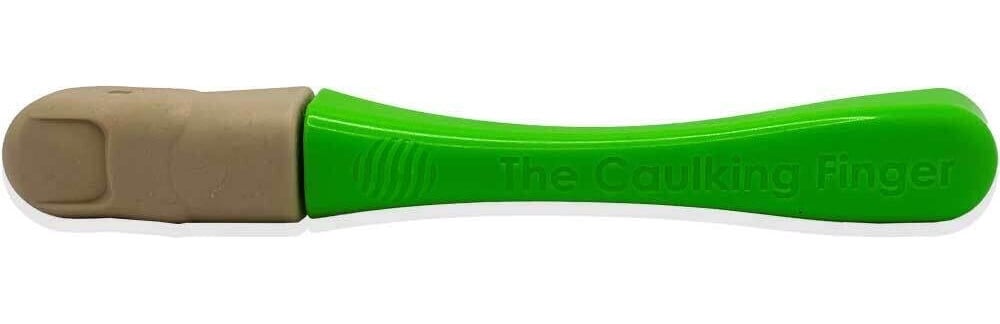
The shape was already familiar. Finding a material that could stand up to the work took more testing. Stephenson eventually settled on an engineered rubber with enough give to follow a joint and enough firmness to press the caulk into place. The finished tool put that flexible fingertip on a handle so users could smooth a bead without dragging their skin across the surface. Stephenson could also use it while wearing gloves.
His painting business helped him find backing. A customer saw the prototype and became an investor. Stephenson brought in people with the skills to turn it into a manufactured product. He later told the Product Genius podcast that getting from the idea to something ready for stores took almost two years.
The first sales were close to home. The Caulking Finger went on sale in 2018 at Larry’s 4 Way and the Jasper County Lumber Company. The business grew through word of mouth and social media as Stephenson and his wife Christy worked to reach more buyers.
The Caulking Finger eventually moved well beyond the two Monticello stores where it first appeared. It is now sold through more than 500 stores, according to Stephenson, with national hardware retailers including Ace Hardware carrying the product and Home Depot listing it online.
Stephenson also carried the sales effort into stores himself. He made demonstration boards at home and traveled with caulk and samples. Buyers could watch him use the tool and then try it. A visit could end with an invoice and stock left behind. A Sherwin-Williams manager he knew helped him begin the process of selling through that company.
Selling a single small tool brought its own problems. Shipping costs cut into what the business could earn on store orders. Stephenson said he accepted lower margins and shipped a dozen tools at a time instead of six to help cover those costs.
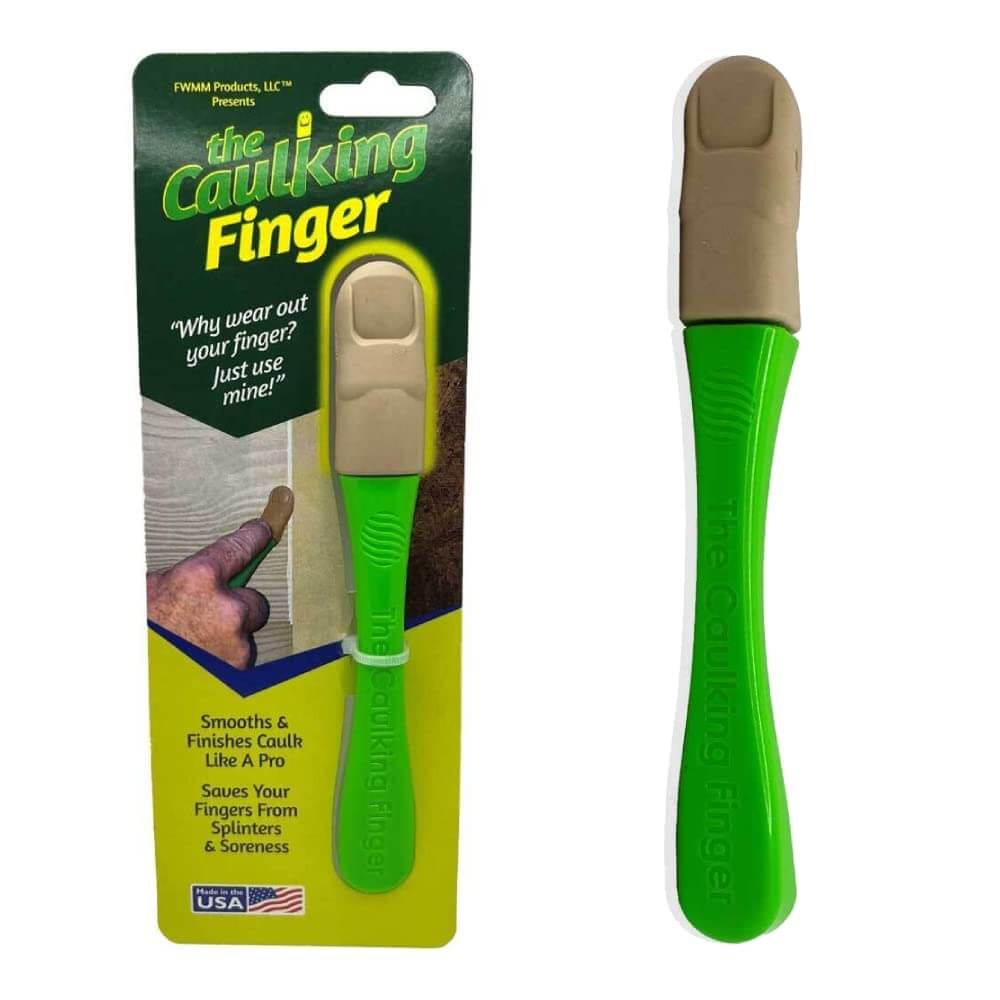
The business operates as FWMM Products in Monticello. Its name stands for “Faith Will Move Mountains,” a reference to Stephenson’s Christian faith. Daniel and Christy have continued handling sales and marketing themselves. Asked about the hardest part of running the business in a February 2026 interview with VoyageATL, he pointed to the work of getting noticed: “our biggest struggle is getting exposure since it’s just me and my wife doing the sales, marketing, etc.”