
Ball 2 began with Kevin Langdon’s effort to get his children moving while keeping some of the technology they enjoyed. His three sons were spending more time on their devices and less time being active. He and his business partners started testing ways to make digital games depend on physical play.
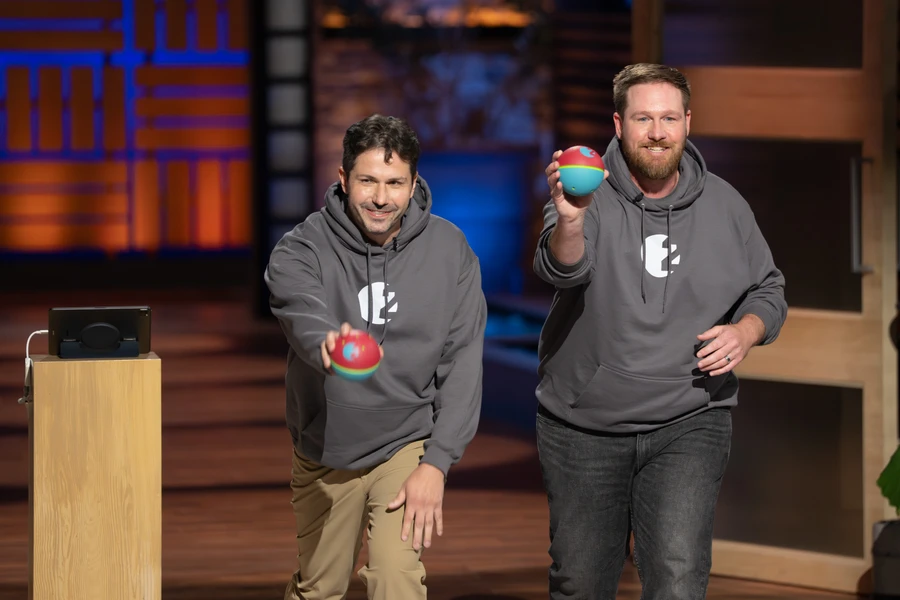
Their experiments included cutting open toy balls and putting electronics inside. Sensors measured movement and sent the results to a mobile device. A throw could become part of a game because the software could track what the ball was doing.
That work became Play Impossible’s Gameball, which reached customers in 2017. Getting it out of the prototype stage took help beyond the founding team. Bucknell University’s Small Business Development Center connected the business with investors, while engineering students and faculty helped solve design problems.
Langdon worked on Gameball with Andrew Brown, his cousin and a longtime business partner. The two had started the golf scorekeeping website oobgolf in 2006 and sold it to SkyGolf three years later. Langdon’s background was in software development. Brown had worked as a senior product manager at Electronic Arts before designing games at Play Impossible. Together they later founded Sperry Labs, a studio that built apps and other digital products.
The Gameball app gave players a set of games that the team had designed and programmed. Ball 2 returned to the connected-ball idea with a different approach to creating those games: players could describe what they wanted to play and have the app build it.
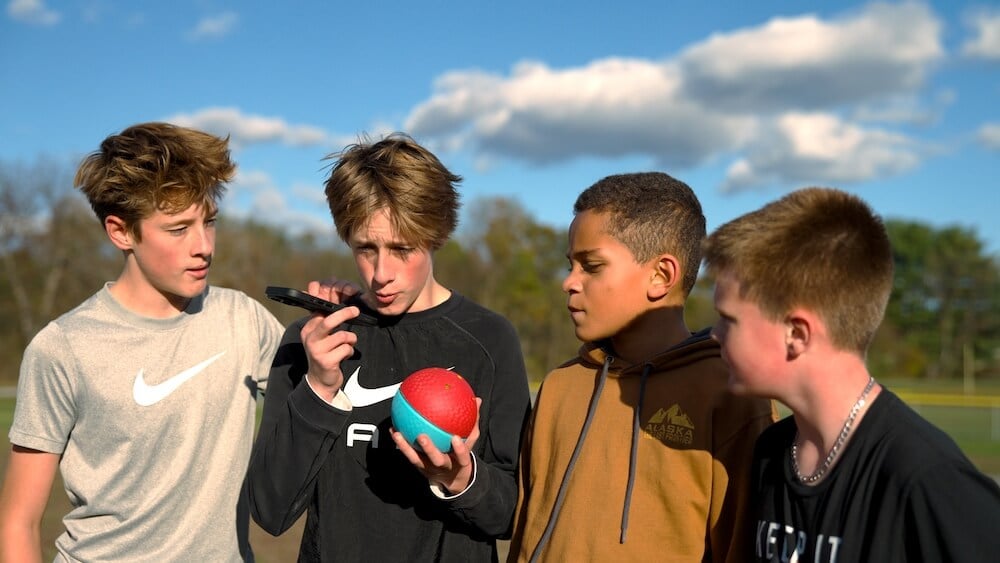
The new product took about a year and a half to develop. Langdon built its software and AI tools, while Brown handled game design. Three other team members supplied the skills needed to turn the software into a physical toy: industrial designer Hugh Tompkins, electrical engineer Jeremy Rittenhouse and physicist Gord Parke. Their work covered the foam ball’s construction, its electronics and the system that interprets its movements.
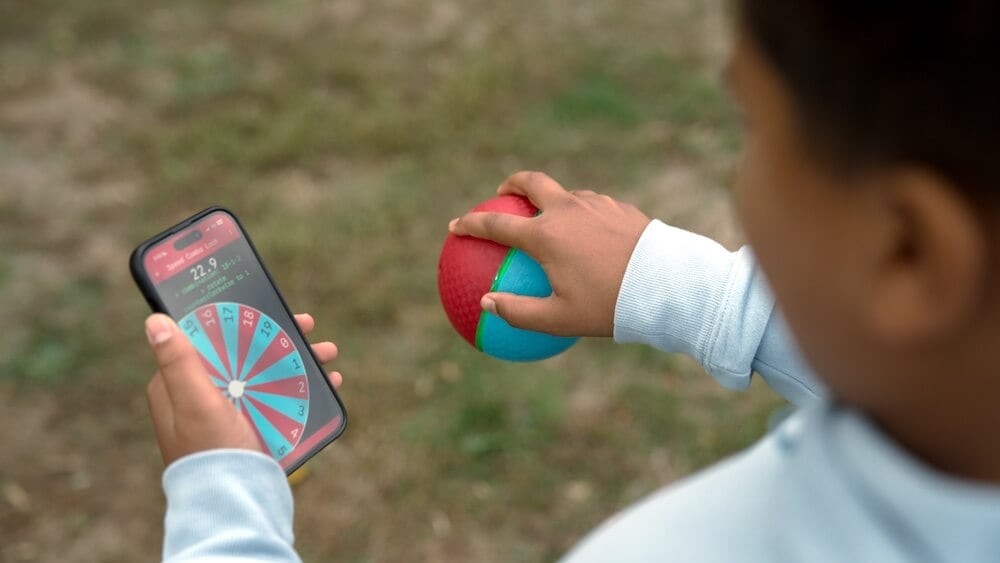
The result connects to a phone or tablet but lets players shape the activity around their own group. They can tell the app how many people are playing and where they are, then work out rules through a spoken exchange. The AI writes the code for the game. Players can try it, change it and share it with others. The app uses spoken feedback during play so they can follow the ball without constantly watching the screen.
The founders paid for development themselves. Sperry Labs took responsibility for manufacturing, packaging and distribution as well as the app, and the first balls shipped in December 2025. By the following February, Langdon said the next task was to increase production.
New games were also coming from outside the team. Customers could submit their creations for other owners to play, giving the business a growing collection beyond the games its developers supplied. A family could make a game for its own afternoon and share it with another household without either one having to write the software.