Joe Burke started working on Ollyball after his daughter knocked a plate of spaghetti onto the family’s new couch while playing soccer inside their home. Burke and his wife, Ellen, wanted their three children to be able to play indoors, but conventional sports balls were too heavy to use around windows, furniture and other breakable things. Burke began trying to make a ball that could take a hard kick or hit without doing much damage.
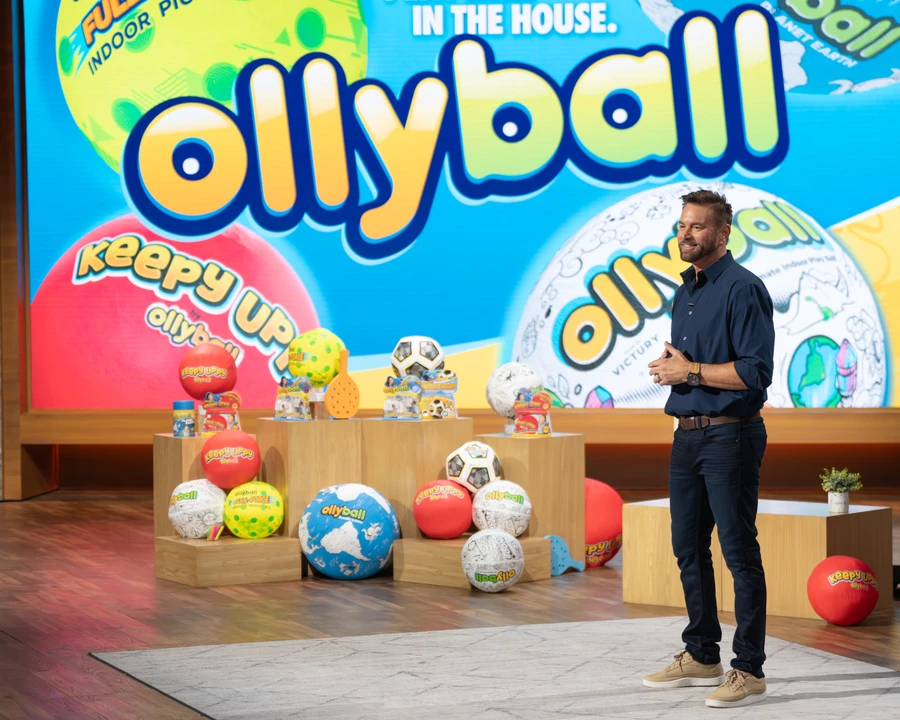
The project drew on several parts of Burke’s background. He had studied graphic design at Rochester Institute of Technology, competed there as an NCAA wrestler and later worked as a brand director for Disney Stores and an executive at Goodwill Industries. At Disney, his work included national retail campaigns, in-store marketing and the launch of Disneystore.com.
Finding the right combination of weight and strength proved difficult. Burke wanted something light enough to hit a window without breaking it but durable enough to withstand repeated kicks and throws. He began developing the idea in 2013 and eventually made more than 100 prototypes. Ellen, a special-education instructor, sewed early versions at the family’s kitchen table. Burke also enlisted his brother John, a nationally recognized soccer coach, and worked with engineers as he refined the ball and an indoor training system.
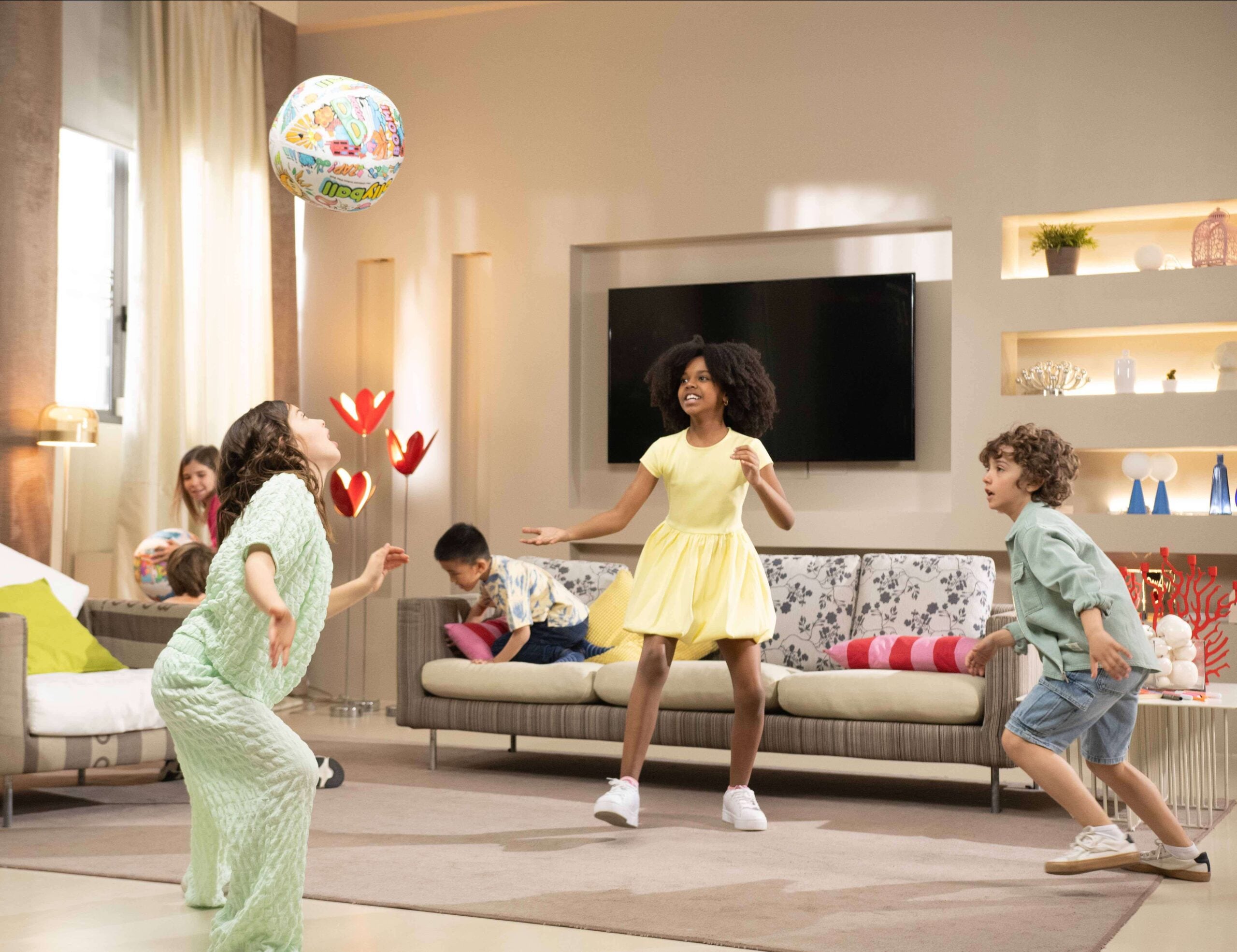
The eventual Ollyball weighed less than an ounce. Its inflatable inner section was surrounded by a light outer shell and a shock-absorbing structure Burke called KrunchCOR. Unlike a foam ball, it could be kicked, thrown and volleyed more like a conventional ball while losing much of its force when it struck something. The outer covering also gave Burke another idea from his design background: children could draw and color directly on it with crayons and markers.
Burke formed VICTURY Sports with Ellen and his brother John, a two-time national coach of the year with the National Soccer Coaches Association of America. The family initially saw the project as something for their own children rather than the start of a toy company. “I never meant to make money; it was originally just something I wanted my daughter to play with,” Burke told the Orange County Business Journal.
By 2018, the Burkes were taking the product to the toy industry. Ollyball reached specialty stores and online sellers, including Amazon and Learning Express, where some locations reported it as their top-selling toy in 2019. Burke had put about $100,000 of his own savings into patents and initial inventory, choosing to grow the company without a large outside investor.
The business gained wider attention after Ollyball won the Toy Association’s Rookie of the Year award in 2019. Nearly 20,000 balls had been sold by later that year. The company added retailers and overseas distributors as it moved beyond its early specialty-store base.
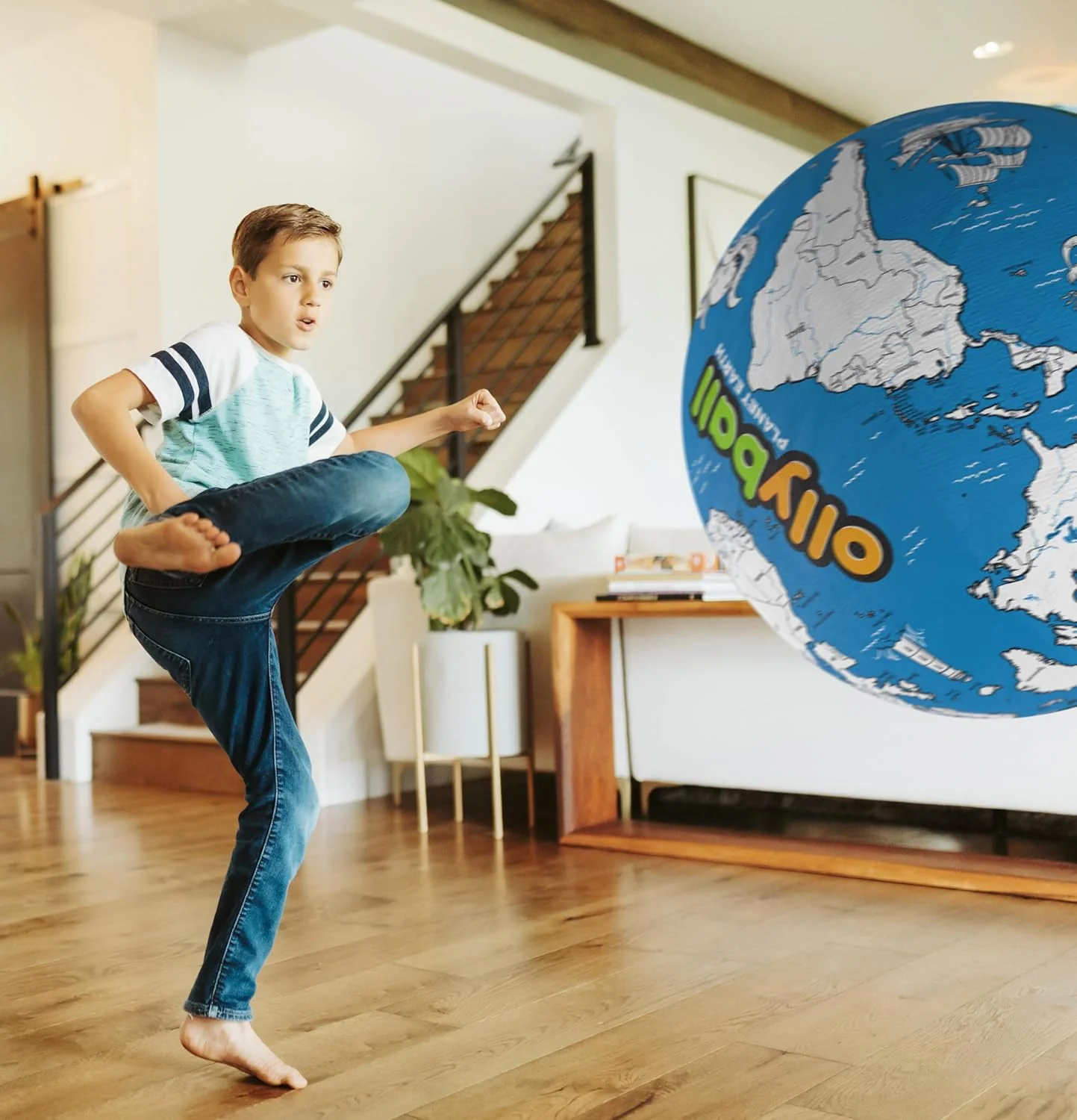
Sales continued well beyond the initial burst. More than 1 million Ollyballs had been sold by 2022. The product also found an audience on social media, where videos of children and adults hitting the lightweight balls around homes generated tens of millions of views. The company gradually added versions aimed at soccer, baseball and other games while keeping the same basic lightweight construction.
Ollyball later moved into larger national chains. Target now carries the brand, and in 2025 VICTURY Sports introduced a broader indoor-sports line through DICK’S Sporting Goods stores nationwide. The company also expanded outside the United States. More than a decade after the spilled spaghetti, Burke and Ellen have sold more than 3 million balls, with Ollyball products reaching major retailers and stores in multiple countries.